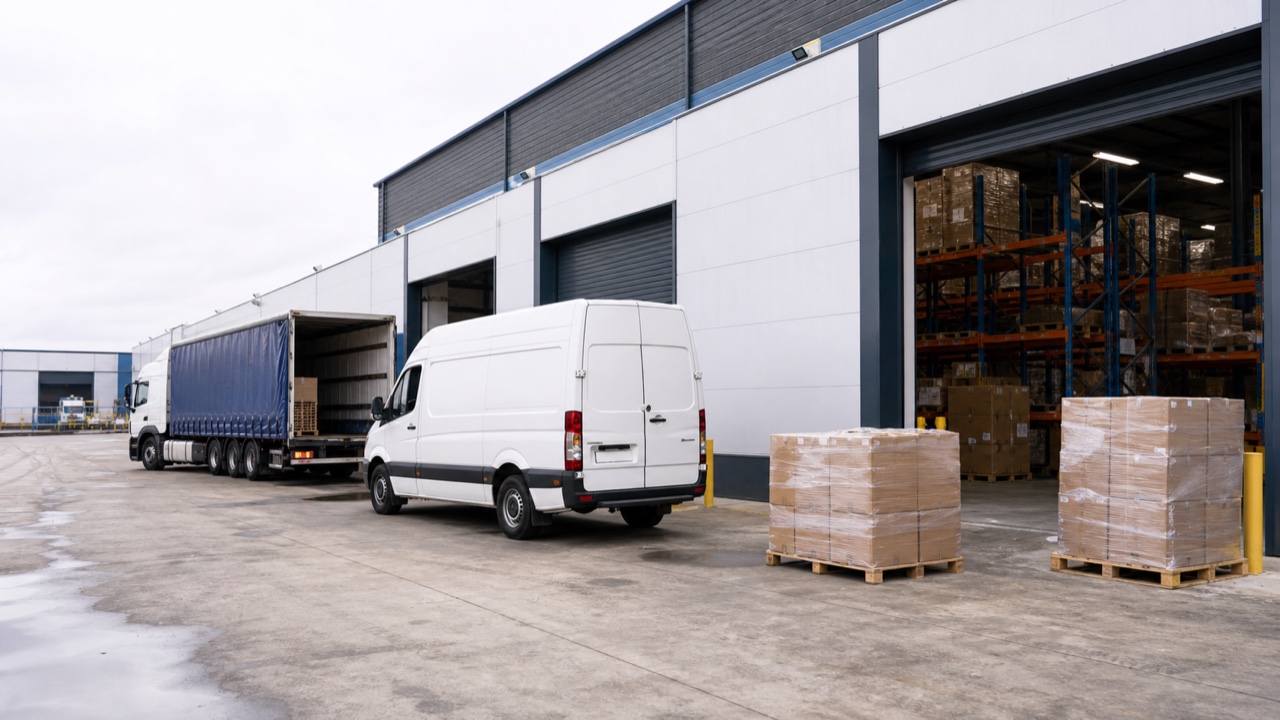
For many importers, warehousing starts simply: a few pallets in a storage unit, cartons in the office, or stock held in a small leased space. That can work for a while. But as shipments get larger, SKUs multiply and customers expect faster delivery, self-managed storage can quickly become a bottleneck.
That is where 3PL warehousing in Sydney becomes worth considering. A third-party logistics provider, or 3PL, stores and manages goods on behalf of another business. Gartner defines a 3PL as a provider that moves, stores and manages the flow of products for a fee without taking ownership of those products (Gartner, 2026). In practical terms, a 3PL becomes the operational bridge between your inbound freight, your inventory and your customers.
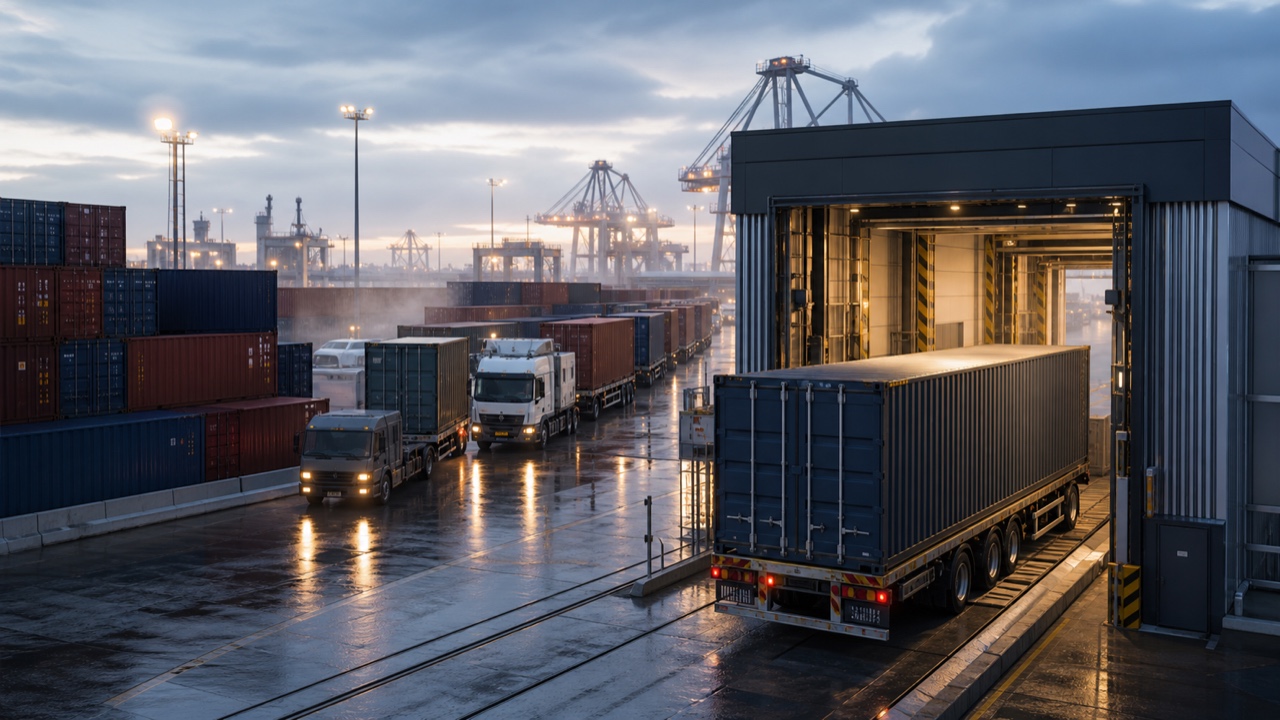
For Sydney importers, that bridge matters. Port Botany handles the overwhelming majority of NSW container traffic, and NSW Ports reports that 80% of container imports travel no further than 40 kilometres from the port (NSW Ports, n.d.-a, n.d.-b). If your customers are in Sydney, NSW, the ACT or the eastern seaboard, a Sydney warehouse can help reduce unnecessary handling and keep stock closer to demand.
What Is 3PL Warehousing?
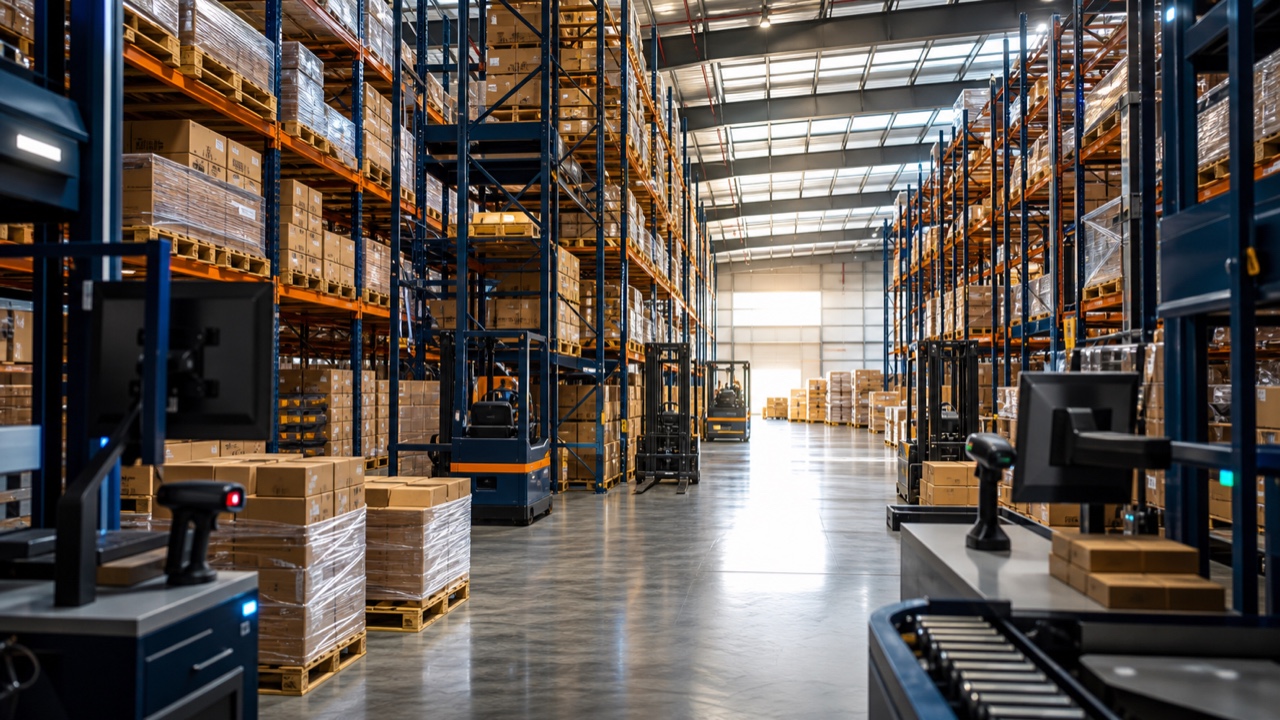
3PL warehousing is more than renting warehouse space. It combines storage with operational support. A 3PL may receive containers or pallets, check incoming goods, put stock away, manage inventory records, pick orders, pack cartons, prepare pallets, book transport and process returns.
ASCM describes warehousing as the activities related to receiving, storing and shipping materials to and from production or distribution locations (ASCM, n.d.). In a 3PL setting, those activities are performed by an external provider using warehouse staff, equipment, processes and often a warehouse management system.
Common 3PL warehousing services include:
- Receiving inbound stock from containers, pallets, cartons or courier deliveries.
- Checking quantities against packing lists or purchase orders.
- Pallet, carton, bin or shelf storage.
- Inventory handling and stock location management.
- Pick and pack for e-commerce, wholesale or B2B orders.
- Labelling, kitting, rework or light assembly where agreed.
- Palletising and dispatch to retailers, distributors or end customers.
- Returns handling, inspection, restocking or quarantine.
Maersk describes 3PL services as covering warehousing through final delivery, returns, value-added services and data insights (Maersk, 2024). The exact service mix varies by provider, commodity and service agreement.
Self-Managed Storage vs 3PL Warehousing
Managing storage yourself gives you control. You can see your stock, decide your own process and avoid outsourcing costs. For very small volumes, that may be the most sensible option.
The trade-off is that your business also carries the workload. Someone must receive goods, count stock, unload vehicles, organise racking, manage forklifts or pallet jacks, pack orders, book couriers, chase missing stock and handle returns. As volume grows, these tasks pull time away from sales, purchasing and customer service.
A leased warehouse gives more room but adds fixed costs and responsibility. You may need a lease commitment, labour, equipment, insurance, racking, WHS procedures and systems. SafeWork NSW notes that pallet racking should be designed for the size, shape and weight of stored products, and warehouse layout should suit the materials-handling equipment being used (SafeWork NSW, n.d.). That is manageable for some businesses, but it is not “just storage”.
A 3PL changes the model. Instead of building your own warehouse operation, you pay for services you use, subject to the provider’s rate card and minimums. This can be useful when stock volumes fluctuate, when you import by container but dispatch in cartons, or when order fulfilment has become too labour-intensive.
When Should Importers Consider 3PL?
Importers should consider 3PL warehousing when stock movement becomes more complex than simple storage. Common triggers include:
You are importing containers but selling in smaller units. A 3PL can receive containers, deconsolidate stock, palletise cartons, store inventory and dispatch orders as required.
Your team is spending too much time packing orders. For e-commerce and wholesale businesses, order fulfilment can become a full-time operation. Australia Post’s eCommerce Report 2026 highlights the importance of delivery experience, shopper behaviour and online fulfilment expectations in Australia (Australia Post, 2026).
You are losing visibility of inventory. If stock is spread across garages, offices, storage cages or ad hoc warehouse corners, miscounts become more likely. Barcode-based product identification and traceability standards can support better visibility across the supply chain (GS1 Australia, n.d.).
You need business-to-business distribution. Retailers and wholesalers may require delivery windows, carton labelling, pallet standards, booking references or proof of delivery. A 3PL can help build a repeatable dispatch process, although exact capability varies by provider.
You are entering peak seasons. A seasonal importer may not want to lease a large warehouse year-round just to handle a few peak months. A 3PL can provide scalable space and labour, depending on capacity and notice periods.
You need smoother freight-to-warehouse handover. Importing does not end when goods arrive at the port. Imported goods may involve duty, GST, import declarations, biosecurity checks and documentation. ABF states that imported goods are generally liable for duties and taxes unless an exemption or concession applies, and GST on taxable importations is generally 10% of the value of the taxable importation (Australian Border Force [ABF], 2025, 2026). DAFF also notes that import conditions vary depending on the goods and their country of export or origin (Department of Agriculture, Fisheries and Forestry [DAFF], 2025a).
Signs You Have Outgrown Self-Managed Storage
A business has usually outgrown self-managed storage when logistics problems start affecting customers or cash flow. Warning signs include frequent stock discrepancies, missed dispatch cut-offs, orders packed late at night, damaged cartons from poor stacking, no clear returns area, unclear stock ownership between channels, or staff spending more time moving boxes than selling products.
Other signs are more strategic. If you are turning down larger orders because you cannot store the stock, paying demurrage or detention because containers cannot be unloaded promptly, or delaying imports because your warehouse is full, storage is no longer a back-office issue. It is limiting growth.
Benefits of Sydney-Based Warehousing
Sydney-based warehousing can be especially useful for importers whose goods arrive through Port Botany or whose customers are concentrated in NSW. NSW Ports identifies Port Botany as NSW’s primary container port, with strong road and rail connectivity, including metropolitan intermodal terminals (NSW Ports, n.d.-b).
South-west Sydney also has freight advantages. The Australian Government describes Moorebank as a strategic intermodal location for Sydney’s south-west logistics centres, adjacent to dedicated freight rail, the M5 and close to the M7 (Department of Infrastructure, Transport, Regional Development, Communications, Sport and the Arts, n.d.). For a Prestons-based logistics provider such as TwayS, that broader south-west Sydney freight corridor is relevant for importers moving goods from port to warehouse and then to metro, regional or interstate customers.
The benefit is not automatic. Delivery performance depends on the warehouse location, carrier network, order cut-off times, stock availability, service level agreement and customer destinations. But when the network fits, Sydney warehousing can reduce double handling and give importers a more direct path from container arrival to customer delivery.
Risks and Questions to Ask Before Choosing a 3PL
The wrong 3PL arrangement can create new problems. Before choosing a provider, ask practical questions.
How is stock received and counted? Do they check every carton, every pallet or only outer quantities? How are discrepancies reported? What happens if cartons arrive damaged?
What warehouse system is used? Can you access live inventory? Can it integrate with your sales channels, ERP or order platform? How are SKUs, barcodes, batch numbers or expiry dates handled?
What are the fees? Ask about inbound receiving, pallet storage, carton storage, pick fees, pack fees, packaging, returns, relabelling, labour, minimum monthly charges and account management fees.
What service levels apply? Clarify receiving timeframes, dispatch cut-offs, order accuracy targets, returns processing times and claims procedures.
What goods can they handle? Not every warehouse is suitable for food, dangerous goods, oversized stock, high-value goods, quarantine-risk goods or temperature-sensitive products. DAFF’s BICON system identifies whether goods are permitted, subject to biosecurity conditions, require supporting documentation, treatment or an import permit (DAFF, 2025b).
What happens with freight safety? Under Australia’s heavy vehicle Chain of Responsibility framework, parties such as consignors, consignees, packers and loading managers may have duties depending on their role in the freight task (National Heavy Vehicle Regulator, n.d.). A good 3PL conversation should cover safe loading, unloading, pallet condition and documentation.
How 3PL Connects With Freight Forwarding and Customs Clearance
Importers often confuse freight forwarding, customs clearance and 3PL warehousing. They are connected, but not identical.
A freight forwarder arranges international transport and shipping documentation. A customs broker manages import declarations and clearance requirements. A 3PL warehouse receives and manages stock after release, or under specific customs-controlled arrangements if properly set up.
The ideal workflow is joined up: supplier documents are checked before departure, customs and biosecurity requirements are reviewed before arrival, the container is delivered to the warehouse after release, stock is received into the warehouse system, and orders are dispatched from available inventory. DAFF advises importers to ensure correct documentation, container cleanliness and compliance with import conditions to support on-arrival clearance (DAFF, 2025c).
Some logistics providers can coordinate several of these steps. The key is to confirm exactly who is responsible for freight, clearance, port charges, unpack, storage, insurance, duties, GST and final delivery.
Example Scenarios
Scenario 1: A furniture importer brings in full containers every few months but sells to retailers in smaller drops. A Sydney 3PL can unpack containers, store bulky cartons, palletise orders and coordinate metro or interstate delivery.
Scenario 2: An e-commerce seller imports consumer products and has growing order volume. A 3PL can hold inventory, pick and pack orders, manage returns and help the owner focus on marketing, purchasing and customer service.
Scenario 3: A wholesaler supplies independent stores and needs reliable carton labelling, pallet presentation and delivery booking. A 3PL can create a repeatable outbound process, provided retailer compliance requirements are agreed upfront.
Bottom Line
Importers should consider 3PL warehousing when storage, stock control and dispatch are starting to slow growth. Self-storage may suit early-stage businesses. Leased warehousing may suit businesses ready to run their own operation. But when you need scalable space, labour, systems and distribution support, a Sydney-based 3PL can be a practical next step.
The best decision is not “3PL or no 3PL”. It is whether your current logistics setup supports the business you are becoming.