Importing goods into Australia is not just a transport task. Before cargo can move from port, airport, depot or warehouse to your business, it may need customs clearance, tax assessment, biosecurity clearance and supporting documentation checks. For many importers, the most expensive delays happen before the goods even arrive: the wrong tariff code, missing permit, vague invoice, untreated timber packaging or incomplete packing declaration can stop a shipment at the border.
This guide explains the Australian customs clearance process for business importers in practical terms. It is general information only and is not legal, customs or tax advice. Requirements can vary by product, origin, value, packaging, importer status and the purpose of import, so importers should check official sources and use a licensed customs broker where shipment-specific advice is required.
What customs clearance means in Australia
Customs clearance is the process of providing the information, declarations and payments required to move imported goods out of customs control. ABF says import declarations are used to clear goods into home consumption or warehouse, and that imported goods are generally liable for duties and taxes unless an exemption or concession applies (Australian Border Force [ABF], 2024a).
For business importers, “clearance” often includes two parallel workstreams. The first is customs and tax: tariff classification, customs value, duty, GST, import processing charges and any required permits. The second is biosecurity: DAFF may assess whether the goods, packaging or container present pest, disease or food safety risks. Some shipments clear on documents; others require inspection, treatment, isolation, testing, re-export or destruction if requirements are not met (Department of Agriculture, Fisheries and Forestry [DAFF], 2025b, 2025c).
Who is involved?
The importer is responsible for the accuracy of import information, even when using service providers. The overseas supplier prepares commercial documents and should provide accurate product descriptions, values, packing information, country of origin details and any required certificates. A freight forwarder arranges international transport, carrier bookings, local handling and delivery coordination. A licensed customs broker can lodge import declarations, classify goods, calculate duty/GST, manage ABF queries and coordinate permit or biosecurity requirements. ABF administers customs, border control, duty and GST collection at the border, while DAFF manages biosecurity and imported food requirements.
ABF and DAFF both encourage first-time or infrequent importers to consider using a licensed customs broker because the importer remains responsible for meeting requirements and errors can cause delays, costs or compliance consequences (ABF, 2024a; DAFF, 2025d).
Step 1: Confirm product requirements before shipping
Start before the supplier packs the cargo. Confirm what the product is, what it is made from, how it will be used, where it was manufactured, where it is being exported from, and whether it includes wood, plant, animal, food, chemical, therapeutic, electrical, vehicle, tobacco, weapons, asbestos-risk, engineered stone or other controlled components.
Tariff classification is a major early step. ABF states that imported goods require classification under the Customs Tariff Act and that importers are legally responsible for correctly assessing the tariff classification; penalties may apply if goods are misclassified (ABF, 2024d). Duty rates, preferential rates and tariff concessions depend on the correct classification and supporting evidence, not just the supplier’s description or an overseas HS code (ABF, 2025b).
Next, check whether the goods are prohibited or restricted. ABF notes that some goods cannot be imported, while others require written permission, licences or permits before import; goods imported without required permission may be seized and penalties can apply (ABF, 2026b).
Then check BICON. DAFF’s Biosecurity Import Conditions system identifies whether a commodity is permitted, what conditions apply, whether supporting documents or treatment are required, and whether a biosecurity import permit is needed (DAFF, 2025e). Some permit applications have indicative processing timeframes, but DAFF warns that incomplete, technical or novel applications can take longer, and goods requiring a permit may be exported or destroyed if they arrive without one (DAFF, 2025e).
Step 2: Prepare supplier and commercial documents
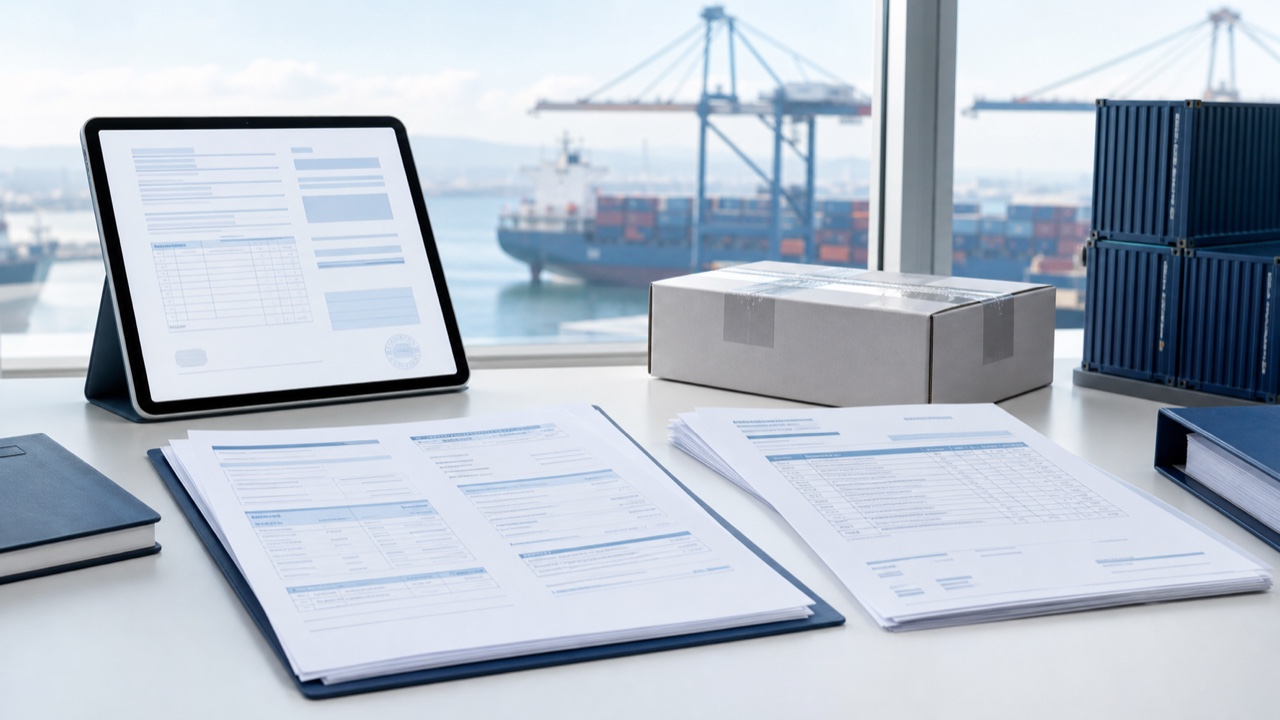
Good documents reduce clearance questions. At minimum, most commercial imports need a commercial invoice, packing list, transport document such as a bill of lading or air waybill, supplier details, buyer/importer details, product descriptions, quantities, values, currency, Incoterms, country of origin and shipment references.
For biosecurity, DAFF may require packing declarations, cleanliness declarations, treatment certificates, import permits and other supporting documents. DAFF specifically warns that packing declarations should accurately describe container cleanliness, straw use and timber packaging, and that missing or inaccurate declarations may trigger inspection, delay and charges (DAFF, 2025a).
Avoid vague descriptions such as “parts”, “samples”, “goods” or “accessories”. ABF compliance guidance indicates that deficient cargo descriptions may be non-compliant, and valuation reviews can examine whether costs such as packing, assists, commissions, royalties, foreign freight or insurance should be included in customs value (ABF, 2025c).
Step 3: Arrange freight and shipment details
Once product requirements and documents are under control, arrange freight. The mode matters. Air freight is faster but often has tighter document cut-offs. Sea freight may involve container, timber packaging, port, wharf, unpack and quarantine considerations. The port or airport of first arrival also matters because DAFF requires relevant information to be provided to both DAFF and Home Affairs/ABF before or at arrival (DAFF, 2023).
Your forwarder or carrier will manage transport bookings and cargo reporting, but importers should still provide accurate cargo details early. ABF notes that air cargo reports are generally required at least two hours before estimated arrival, while sea cargo reports are generally required 48 hours before arrival, with rules for shorter voyages (ABF, 2025c).
Step 4: Lodge an import declaration where required
For goods valued over AUD 1,000 that are being entered for home consumption, an Import Declaration is generally required. The declaration includes information about the importer, goods, transport, tariff classification and customs value, and duties, taxes and charges must usually be paid before goods are released (ABF, 2024a).
Most air and sea cargo valued at AUD 1,000 or less is cleared using a Self-Assessed Clearance declaration, although exceptions apply. ABF warns that where low-value goods require an import permit, the importer may need an Import Declaration or long-format SAC, and incorrect SAC use can leave duty, tax, permit or biosecurity requirements unmet (ABF, 2024a).
Step 5: Customs duty, GST and charges
Do not estimate landed cost using a single percentage. Duty depends on tariff classification, customs value, origin, concessions and any preferential rate. GST on taxable importations is generally 10% of the value of the taxable importation, which ABF describes as the customs value plus duty, transport and insurance to Australia, and wine equalisation tax where applicable (ABF, 2025a).
Goods over AUD 1,000 and certain tobacco or alcohol goods may also attract import processing charges, and some goods may be subject to dumping or countervailing duties (ABF, 2024b). Some GST-registered importers may be eligible for the Deferred GST Scheme, but eligibility and reporting obligations should be checked with the ATO and a tax adviser (ABF, 2025a; Australian Taxation Office [ATO], 2024).
Step 6: Biosecurity inspection or document assessment
Biosecurity is one of the most common areas importers underestimate. DAFF says biosecurity requirements apply to all goods imported into Australia, and importers should understand their responsibilities before goods are shipped (DAFF, 2026; DAFF, 2025d).
DAFF may clear goods on documents, direct an inspection, require treatment, hold cargo, or refer imported food for inspection or testing under the Imported Food Inspection Scheme (DAFF, 2025b). Containers from high-risk pathways, rural unpack destinations, contaminated cargo, timber packaging and goods subject to BICON conditions can all increase the chance of intervention (DAFF, 2025a, 2025c).
Step 7: Cargo release and final delivery
After ABF requirements are satisfied, applicable duty/GST/charges are paid or accounted for, and DAFF has issued a release direction or required action has been completed, the cargo can move to final delivery. Your forwarder can coordinate terminal collection, depot unpack, tailgate inspection, quarantine direction, delivery booking and proof of delivery.
Keep records. ABF states that after an import declaration, relevant documents should be kept for five years (ABF, 2024a). This is good practice commercially as well: it supports GST records, supplier disputes, warranty claims, insurance claims and future tariff or valuation reviews.
Common causes of customs clearance delays
Common problems include missing permits, incorrect tariff classification, inaccurate customs value, vague product descriptions, mismatched invoice and packing list details, missing treatment certificates, untreated or bark-contaminated timber packaging, straw or prohibited packing materials, supplier documents issued too late, unpaid duty/GST, port storage after holds, and slow responses to ABF or DAFF directions.
DAFF warns that contaminated containers or goods may require treatment and that incorrect packing declarations can lead to inspection, delays and charges (DAFF, 2025a). ABF compliance guidance also highlights risks around cargo reporting, valuation, self-assessed clearance declarations and incorrect information (ABF, 2025c).
How to prepare before goods arrive
Before departure, send your broker or forwarder the commercial invoice, packing list, product specifications, tariff details if known, permits, treatment certificates, packing declaration, cleanliness declaration, country of origin evidence and shipment booking details. Ask them to check whether the goods need an Import Declaration, SAC, biosecurity entry, inspection booking or approved arrangement site.
Build a landed cost estimate that separates product cost, international freight, insurance, duty, GST, import processing charge, port and terminal fees, customs broker fees, DAFF fees, inspection/treatment costs, storage risk and final delivery. The exact outcome will vary, but a structured estimate helps prevent cashflow surprises.
When importers should use a customs broker or freight forwarder
A customs broker is valuable when the goods are over AUD 1,000, regulated, food-related, biosecurity-sensitive, high value, urgent, subject to concessional or preferential duty claims, or difficult to classify. A freight forwarder is valuable when you need international booking, supplier coordination, consolidation, container handling, air freight, sea freight, local delivery or end-to-end visibility.
For many businesses, the safest approach is to involve the forwarder and broker before goods leave the origin country. That gives the team time to check permits, packaging, documents and clearance requirements while problems are still fixable.
TwayS can support importers by coordinating freight, documentation review, broker liaison, port/depot movements and final delivery, helping businesses reduce avoidable border delays and keep cargo moving through the supply chain.