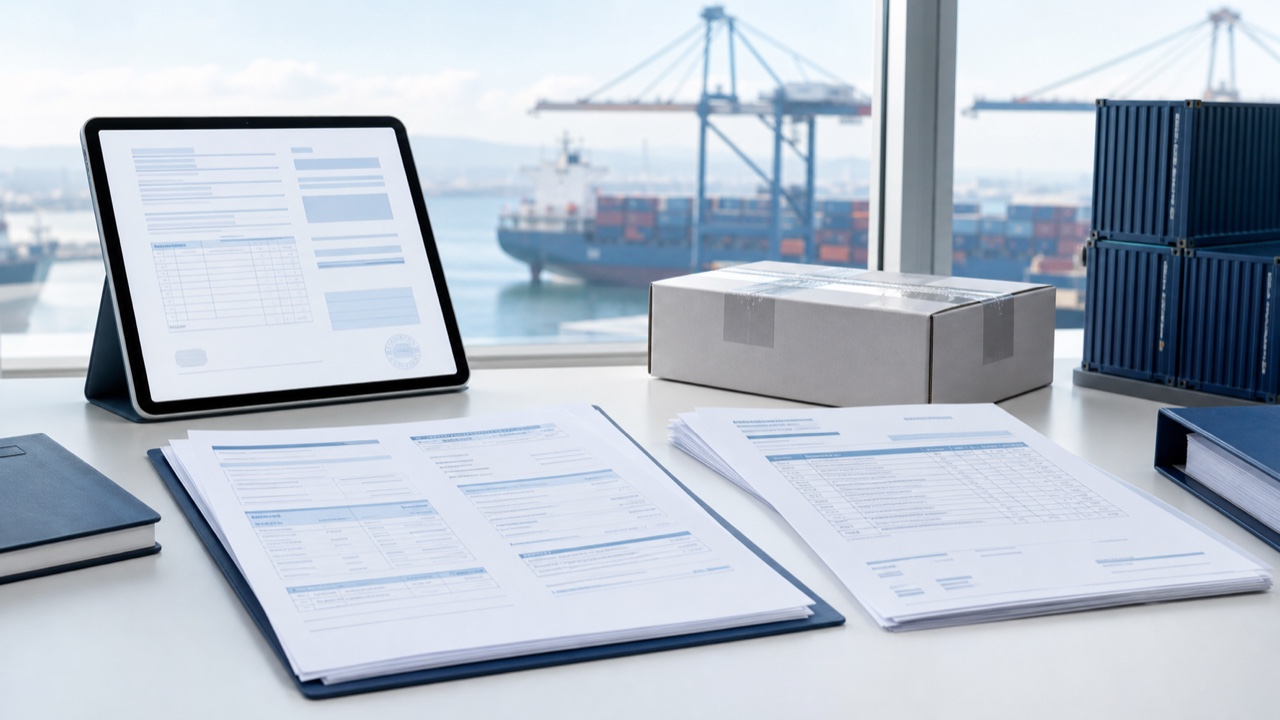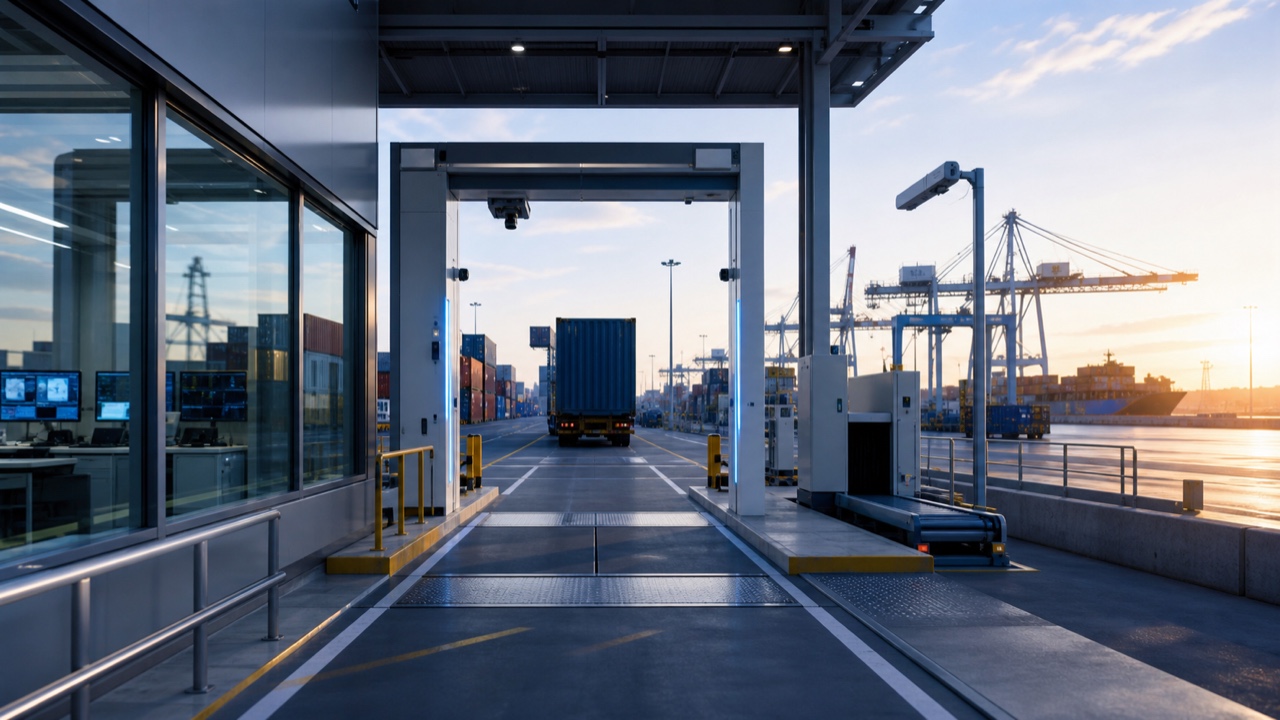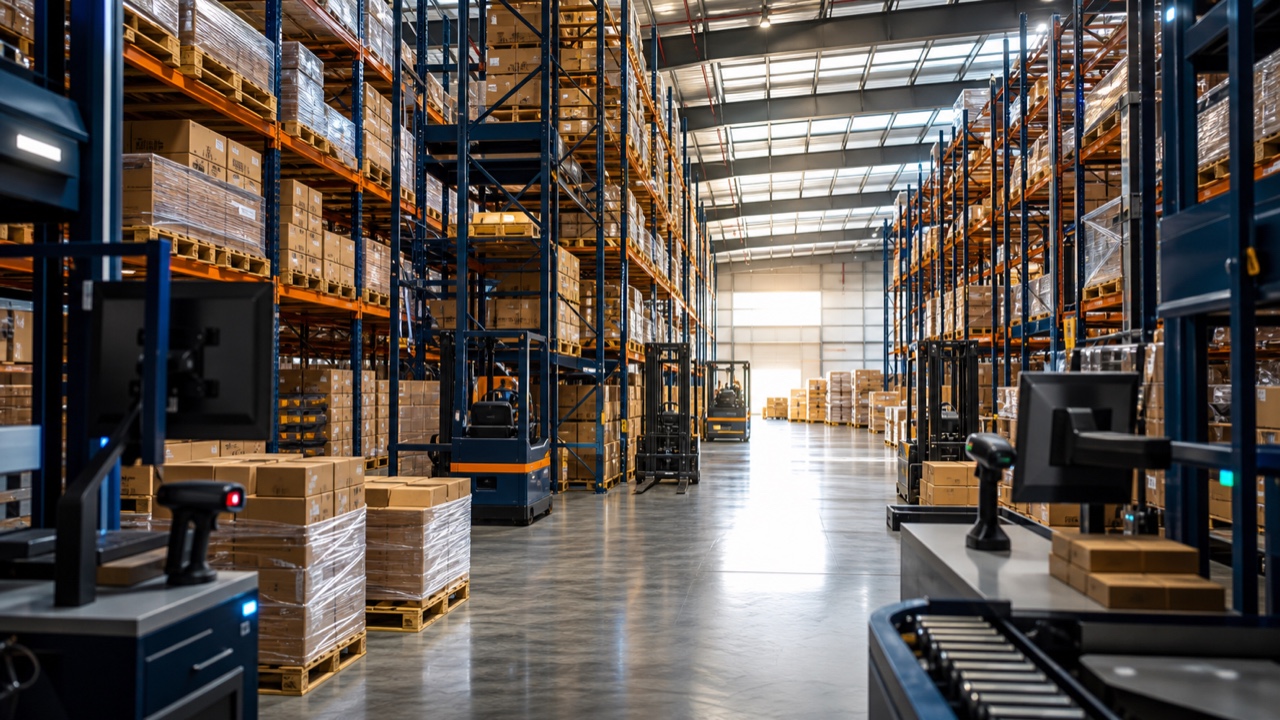
Bonded warehouse is a useful search term, but Australian importers need a more precise question: do the goods need a licensed depot, a licensed warehouse, a biosecurity-approved pathway, ordinary 3PL storage, or a combination of these?
That distinction matters because goods under customs control cannot be treated like normal stock. They may need permission before movement, release or use. They may also be subject to biosecurity conditions, document checks, inspection, treatment, re-export or destruction directions.
This guide explains the practical difference between Section 77G depots, licensed warehouses, under-bond storage, duty and GST timing, Biosecurity-Approved Premises, and 3PL warehousing. If you are estimating total cost, pair this article with the TwayS guide to import duty, GST and landed cost in Australia.
What importers usually mean by bonded warehouse
In everyday logistics language, people often use “bonded warehouse” to mean any place where imported goods can be stored before duty and GST are paid. In Australia, the operating reality is more specific.
ABF’s import declaration guidance explains that imported goods can be cleared into home consumption, or into a licensed warehouse via a Warehouse Declaration. It also states that imported goods are liable for duties and taxes unless an exemption or concession applies.
For planning, separate four ideas:
- A Section 77G depot, used for specific licensed depot activities involving goods under customs control.
- A licensed warehouse, used for longer-term storage of goods under customs control.
- A Biosecurity-Approved Premises or approved arrangement pathway, used where DAFF conditions apply.
- A 3PL warehouse, used for ordinary receiving, storage, fulfilment, distribution and returns after goods are ready for that pathway.
TwayS service pages for Section 77G bonded premises, Biosecurity-Approved Premises, and warehousing and 3PL map to different parts of that operating picture.
Section 77G depot: short-term customs-controlled handling
ABF’s depot licence application guidelines describe a depot as a place operated under licence to hold or unpack imported goods, hold or pack goods for export, and allow examination by officers. The guidelines also state that imported goods remain under customs control until they are entered for domestic consumption or re-exported, and can only leave a licensed depot under permission.
That makes a Section 77G depot useful for:
- Holding imported goods subject to customs control.
- Unpacking imported goods subject to customs control.
- Examination of imported or export goods by authorised officers.
- Packing goods for export where the depot licence permits that activity.
- Short-term coordination before clearance, transfer, export or another permitted path.
A depot is not simply a cheap storage shed. Licence conditions, security, reporting, permissions and time limits matter. The ABF guidelines note that storage of goods subject to customs control in a licensed depot is permitted until the end of the month after the month of receipt, with a possible extension under section 77P for a further 30 days. Importers should always confirm current requirements and facility conditions before relying on time assumptions.
Licensed warehouse: longer-term customs-controlled storage
Licensed warehouses have a different role. ABF’s depot guidelines state that licensed warehouses allow long-term storage of goods subject to customs control and can defer payable duties and taxes. They also explain that activities in warehouses are limited to protect security and Commonwealth revenue, and that value-adding activities are not generally permitted.
ABF’s warehouse obligations and conditions page is the official starting point for warehouse licence obligations. ABF’s GST and other taxes when importing page also notes that goods entered for warehousing are not liable for GST until cleared from the warehouse for home consumption.
For an importer, that means a licensed warehouse can be relevant when:
- Goods are not being cleared for home consumption immediately.
- Duty and GST timing matters for cash flow.
- Goods may be staged for partial release.
- Goods may be re-exported or held pending a commercial decision.
- Documents, permits, clearance or release timing are not yet final.
It does not mean customs obligations disappear. It changes timing and control.
Under bond does not mean “do anything before paying duty”
“Under bond” usually means the goods remain under customs control. That status limits what can be done and who can authorise movement or release.
Common importer mistakes include:
- Assuming goods can be picked, packed or sold before home consumption clearance.
- Treating bonded stock like normal 3PL inventory.
- Forgetting that biosecurity release and customs release are different controls.
- Planning customer delivery before release authority is confirmed.
- Assuming a freight forwarder can lodge all customs documents without licensed broker involvement.
ABF’s customs broker guidance explains that only the owner of goods or a licensed customs broker can submit an import declaration to enter goods for home consumption. A freight forwarder can coordinate the pathway, but the customs authority and brokerage role should be stated clearly.
If your shipment may need normal fulfilment after release, also read TwayS guidance on 3PL warehousing in Sydney and freight forwarder vs courier vs 3PL.
Customs control and biosecurity control are separate questions
Customs-controlled storage and biosecurity-approved handling are related, but not identical. A shipment may be under customs control, subject to biosecurity direction, or both.
DAFF’s BICON system helps identify whether goods are permitted, subject to import conditions, require treatment, need supporting documentation, or require a biosecurity import permit. DAFF’s approved arrangements explain the approved arrangement framework for managing biosecurity risks in certain situations.
This matters for goods such as:
- Food, plant, animal or biological products.
- Timber, wooden packaging or natural materials.
- Used machinery, equipment or vehicles.
- Personal effects, furniture or household goods.
- Cargo exposed to contamination risk.
If biosecurity applies, the landed plan should identify where inspection, treatment, unpacking, cleaning or approved handling can happen. A Biosecurity-Approved Premises service may be relevant, but the exact pathway depends on the goods and DAFF conditions.
When bonded or under-bond storage helps
Bonded or under-bond storage may help when immediate clearance is not the best option. Examples include:
- The importer is not ready to pay duty and GST because goods will be released in stages.
- The goods may be re-exported rather than entered for home consumption.
- There is a document, permit, tariff or commercial issue to resolve.
- The receiving warehouse is not ready.
- The goods require examination before the final declaration path is settled.
- A biosecurity direction needs an approved handling location.
The benefit is control and timing. The tradeoff is complexity, facility rules, storage cost, movement permission and documentation discipline.
When normal 3PL storage is the better answer
If goods have been cleared for home consumption and are ready for ordinary distribution, a 3PL warehouse may be the better operating model. A 3PL can receive stock, count cartons, apply labels, store pallets, pick and pack orders, manage returns, and coordinate road transport.
That is different from holding uncleared goods under customs control. If your real need is fulfilment, compare warehouse and 3PL support, national road transport, and the TwayS 3PL Sydney importer guide.
The cleanest model is often sequential:
- Freight arrives.
- Customs and biosecurity status is resolved.
- Goods are released or moved under permission.
- Cleared stock enters 3PL storage.
- Orders, replenishment or deliveries are dispatched.
Trying to merge those stages without respecting control status can create delays and cost.
Sydney and Port Botany context
For New South Wales importers, Port Botany is central to the container pathway. NSW Ports states that Port Botany handles 99.6 per cent of NSW container volume and 2.8 million TEU each year. It also notes that 80 per cent of import containers travel no further than 40 kilometres from Port Botany.
That is why Sydney importers often need a practical handoff plan:
- Port, terminal or depot arrival.
- Customs and broker pathway.
- Biosecurity inspection, treatment or approved handling.
- Bonded or under-bond storage where needed.
- Prestons, south-west Sydney or metro delivery.
- Warehouse receiving, 3PL or interstate transport.
For shipments moving through multiple points, a Sydney freight forwarding plan can reduce confusion before the goods arrive.
Questions to ask before choosing a bonded pathway
Ask these questions before booking freight:
- Are the goods being cleared for home consumption, warehoused, re-exported or held pending a decision?
- Are the goods currently under customs control, under biosecurity direction, or both?
- Is the facility licensed or approved for the exact activity needed?
- What documents are required before arrival?
- Who is the owner, who is the customs broker, and who can authorise movement?
- How long can the goods stay in the facility?
- What happens if release is delayed?
- Are storage, inspection, treatment, transfer and delivery costs quoted?
- Can the goods move from bonded or approved handling into 3PL storage after release?
If the answers are vague, do not ship first and solve later. The cost of late decisions can exceed the expected storage benefit.
Common mistakes
The biggest mistake is using “bonded warehouse” as a general label for every storage need. That can hide key differences between depot, warehouse, biosecurity and 3PL roles.
Other mistakes include:
- Assuming duty deferral means duty exemption.
- Treating GST timing as a cash-flow guarantee without checking the exact pathway.
- Failing to check BICON before shipping.
- Moving goods before release or permission is clear.
- Not matching facility approval to the goods and activity.
- Forgetting storage and transfer costs.
- Not planning the final delivery or 3PL receiving stage.
If you are still deciding whether to clear, warehouse, treat, inspect or deliver, use the contact page to send TwayS the invoice, packing list, arrival mode, cargo status, required handling and delivery timing.
Bottom line
Bonded warehouse planning is not only a storage decision. It is a customs control, GST timing, biosecurity, document and delivery decision. Section 77G depots, licensed warehouses, Biosecurity-Approved Premises and 3PL warehouses can all be useful, but they solve different problems.
The best plan names the control status first, then chooses the facility and movement path. That is how importers avoid paying for storage that does not solve the real clearance, inspection or delivery problem.