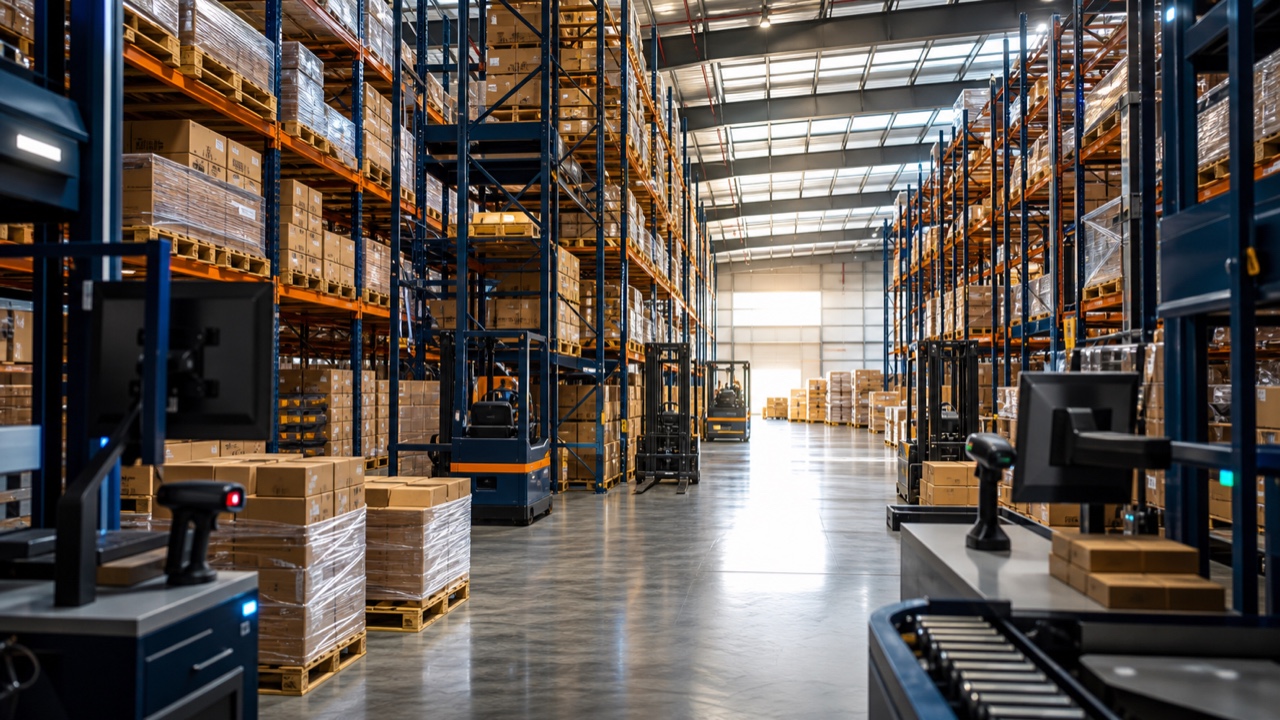
Container transport in Sydney looks simple from a distance: pick up a box at Port Botany, deliver it to a warehouse, then return the empty container. In practice, that move can involve port release, carrier free time, terminal or depot slots, customs and biosecurity status, receiver access, unpack timing, driver waiting time, Chain of Responsibility and empty return rules.
A useful container transport quote needs more than “20 foot or 40 foot” and a delivery address. It should show whether the container is ready for pickup, which equipment is needed, whether the receiver can unload it safely, when the empty container must be returned, and what happens if release, unpack or return is delayed.
This guide is for importers comparing container transport Sydney providers, Sydney container transport options, wharf cartage, container delivery, depot unpack and local road transport from Port Botany. If the international shipment is still being planned, pair it with TwayS guides to freight forwarder Sydney, shipping from China to Australia, customs broker Australia and import duty, GST and landed cost.
Quick answer
Container transport Sydney is the local operating plan that moves a full or empty container between Port Botany, a depot, a warehouse, a receiver or an empty container park.
For an import container, the plan should confirm release status, container size and weight, pickup terminal or depot, delivery site access, unload method, warehouse window, free time, empty return depot, and exception handling.
The cheapest truck rate is not always the lowest total cost. A missed pickup slot, wrong delivery equipment, blocked receiver, late empty return or compliance issue can cost more than the apparent saving.
Why Port Botany changes the container transport plan
For New South Wales importers, Port Botany is the main container gateway. NSW Ports describes Port Botany as the largest container port in New South Wales and states that it handles 99.6 per cent of the state’s container volume. NSW Ports also says 80 per cent of import containers travel no further than 40 kilometres from Port Botany.
That concentration makes Sydney container transport very local, but not casual. The same NSW Ports page notes that Port Botany has on-dock rail at all container terminals, regulated truck booking and penalty arrangements, empty container parks, transport operations, warehouse facilities and Australian Customs.
Transport for NSW also explains that road carriers and stevedores servicing Port Botany are subject to mandatory performance standards. The practical lesson for importers is simple: the port move has rules, timeslots and accountability. Treat it as a scheduled logistics handoff, not an open-ended local delivery.
Container transport, wharf cartage and road freight
The terms overlap, but they are not identical.
Container transport usually means moving a shipping container by road between a port, depot, rail terminal, receiver, warehouse or empty container park. It can involve a full import box, full export box or empty repositioning.
Wharf cartage is commonly used for the port or terminal leg: collecting from or delivering to the wharf, terminal or port-side depot. For Sydney, that often means Port Botany or related empty container parks and depots.
Road freight is broader. It includes pallets, cartons, full truckloads, linehaul, metro delivery and container moves. TwayS covers that wider topic through its national road transport service, but a Port Botany container move needs additional attention to release, free time, unpack and empty return.
Freight forwarding is broader again. A forwarder may coordinate origin freight, ocean freight, documents, customs broker support, biosecurity, storage and delivery. See the TwayS freight forwarder Sydney guide if you are still choosing who will coordinate the whole shipment.
The import container flow from Port Botany
A practical container transport plan usually follows four handoffs.
First, confirm release. Check the shipping line or forwarder release, customs and biosecurity status, unpaid charges, container availability, holds and document status. ABF explains that import declarations are used to clear imported goods into home consumption or into a licensed warehouse, and that duties, taxes and charges may apply depending on value and commodity. If the goods are subject to biosecurity conditions, use BICON and the TwayS BICON Australia guide before the truck is booked.
Second, book pickup. The transport provider needs container number, size, gross weight, terminal or depot, availability, last free day, pickup reference, delivery address and whether the container is standard, reefer, dangerous goods, overweight, underbond or subject to inspection.
Third, deliver and unpack. This is where many failures happen. The receiver must have the right access, ground conditions, unloading equipment, labour, opening hours and time window. If the site cannot unpack the container, the better option may be depot unpack, CFS handling, short-term storage or delivery into a 3PL warehouse in Sydney.
Fourth, return the empty. Empty return sounds like an afterthought, but it is often the moment where detention risk appears. The empty depot, appointment rules, return deadline, container condition evidence and paperwork should be known before the full box leaves the port.
Delivery options: sideloader, trailer, depot unpack or warehouse
The right equipment depends on the receiver, not just the container.
A sideloader can place a container on the ground where a receiver does not have a dock or cannot unload directly from a trailer. It can be useful for sites that need time to unpack at ground level. However, it needs suitable access, level ground, clearance and enough space beside the truck. A narrow driveway, steep grade, weak surface, overhead obstruction or busy public road can make sideloader delivery unsuitable.
A container trailer delivery can work when the receiver has a dock, forklift, container ramp or the ability to unload while the container remains on the trailer. It often depends on a tight time window. If the receiver cannot unload quickly, driver waiting time and failed delivery risk can increase.
Depot or CFS unpack can work when the receiver cannot accept a full container. The container is unpacked at a depot or freight facility, and the cargo then moves as pallets, cartons or loose freight. This can add handling and storage cost, but it may reduce site access risk.
Warehouse receiving or 3PL warehousing can make sense when imported stock needs count, palletisation, labelling, storage, pick-pack or onward distribution. For importers in south-west Sydney, a warehouse plan can also connect Port Botany delivery to national road transport.
Underbond or biosecurity-directed cargo needs a controlled pathway. If goods have not been cleared for home consumption, or if DAFF directs inspection, treatment or approved-premises handling, do not treat the move as ordinary delivery. TwayS service pages explain how eligible cargo may be coordinated through an appropriately licensed Section 77G depot or a suitable DAFF-approved site or arrangement.
What drives container transport cost in Sydney
Be careful with simple price tables. Container transport cost can change because of:
- Container size, type and gross weight.
- Port terminal, rail terminal, depot or empty container park.
- Pickup slot, delivery window and urgency.
- Distance from Port Botany and local traffic conditions.
- Sideloader, trailer, skel, drop-and-return, waiting time or staged delivery.
- Receiver access, forklift, dock, container ramp, ground condition and safety controls.
- Detention, demurrage, storage or empty return deadlines.
- Customs, biosecurity, underbond, inspection or treatment status.
- Dangerous goods, reefer, overweight or special cargo requirements.
- After-hours, weekend or public holiday constraints.
For total import cost, connect the transport quote to import duty, GST and landed cost instead of treating port charges, storage, detention exposure and delivery as separate surprises.
What a serious quote should show
A useful container transport quote should make its assumptions visible. It should not leave the importer guessing whether the rate includes standard waiting time, sideloader placement, empty return, after-hours work, re-delivery, storage, overweight handling, reefer handling or a customs and biosecurity hold.
At minimum, ask the provider to show:
- Pickup point, delivery point and empty return point.
- Container type, gross weight assumption and any equipment restriction.
- Included waiting time and the rate for extra waiting.
- Whether the move is live unload, drop-and-return, depot unpack or warehouse delivery.
- Which party owns release checks, slot changes, receiver delays and empty-return exceptions.
- What evidence will be kept if the port, depot, receiver or carrier blocks the move.
This is where thin container-transport planning fails. The quote may name the truck move, but not the next cost event: missed slot, blocked receiver, waiting time, storage, detention or failed empty return.
Build a one-page container job card before dispatch
Before the truck is booked, turn the quote into a one-page job card. This is the document that should make the Sydney container move executable for the forwarder, transport allocator, driver, receiver, warehouse and importer.
The job card should show:
- container number, ISO size, container type, seal number and gross weight
- shipping line, terminal or depot, pickup reference and container availability
- release status: carrier release, customs status, biosecurity status, charges and holds
- delivery method: sideloader, trailer, drop-and-return, live unload, depot unpack or warehouse receiving
- receiver readiness: address, contact, hours, dock, forklift, ramp, ground condition, induction and expected unload time
- empty return: nominated depot, return deadline, appointment rules and container-condition evidence
- exception owner: who decides if the pickup slot is missed, the receiver is blocked or the empty return depot will not accept the box
If package dimensions or cargo shape are still uncertain, confirm carton, pallet, crate and gross-weight facts before approving the truck setup. If the container cannot go straight to the receiver, connect the transport plan to customs clearance documents, BICON Australia and warehouse receiving before the box leaves Port Botany.
The job card should also have a status line for each handoff. Use simple states such as Ready, Waiting on release, Waiting on receiver, Booked, At risk and Closed. That status language keeps the discussion practical: the question becomes what is blocking the move, not who sent the last email.
Compliance and safety checks importers should not ignore
Container transport is heavy vehicle work, so the receiver and importer can affect safety even when they do not drive the truck.
NHVR’s Chain of Responsibility guidance explains that people beyond the driver can have duties when they influence heavy vehicle transport. NHVR’s regulatory advice on managing the risks of transporting freight in shipping containers highlights risks such as incorrect mass, poor load restraint, load shift, rollover and inadequate information.
AMSA explains that verified gross mass must be supplied before a container can be loaded onto a ship, and that the shipper must provide accurate cargo mass information. AMSA also publishes guidance on obtaining a verified gross mass and container weight verification. Even when the Sydney move is after vessel arrival, wrong or uncertain weight information can still affect truck selection, load restraint and receiver safety.
Receiver site traffic matters too. Safe Work Australia’s traffic management guide for warehousing is a useful reminder that forklifts, trucks, pedestrians, loading docks and storage areas need a traffic plan. A container delivery can fail simply because the site is not prepared for the vehicle and unloading method.
If the cargo is dangerous goods, check the Australian Dangerous Goods Code and the Department of Infrastructure’s dangerous goods road and rail legislation status. Do not book dangerous goods as general cargo to save time.
What to send for a useful container transport quote
Send the transport team a short, complete brief:
- Container number if available.
- 20 foot, 40 foot, 40 foot high cube or special equipment type.
- Gross weight, commodity and whether the cargo is DG, reefer, overweight, fragile, high value or regulated.
- Port terminal, depot, rail terminal or pickup point.
- Shipping line, release status, availability and last free day.
- Delivery address, contact, business hours and required delivery date.
- Whether the receiver has dock access, forklift, container ramp or needs sideloader placement.
- Ground condition, access restrictions, height clearance, slope, parking and any site induction requirement.
- Unpack plan and expected unload time.
- Empty return depot, deadline and appointment requirement.
- Whether customs, biosecurity, bonded or BAP constraints apply.
If some details are missing, say so. A strong provider should identify the gap before the truck is booked.
Red flags before booking container delivery
Pause and clarify if:
- The quote does not ask for gross weight or container type.
- No one has checked release status and last free day.
- The receiver is not sure whether it can unload from a trailer.
- A sideloader is requested but site access has not been checked.
- Empty return depot and deadline are unknown.
- The goods may be subject to customs, biosecurity, underbond or treatment direction.
- Dangerous goods or reefer status is treated as a minor detail.
- No one owns delay evidence if the port, receiver or empty depot blocks the move.
These are not paperwork details. They are the difference between a truck booking and a container transport plan.
How TwayS can help
TwayS can help connect container movement with freight forwarding services, eligible short-term handling through an appropriately licensed Section 77G depot, eligible handling through a suitable DAFF-approved site or arrangement, warehouse and 3PL operations and national road transport.
That matters when an importer needs Port Botany container pickup, Sydney warehouse receiving, palletisation, short-term storage, interstate distribution or a clean handoff after customs broker and document review.
If the shipment is not yet booked, start with the full route: supplier, Incoterms, ocean freight, Port Botany arrival, customs, biosecurity, delivery, unpack, empty return and onward distribution. If the container has already arrived, focus on release, pickup, receiver readiness and empty return.
Bottom line
Container transport Sydney is not just a truck movement. It is the point where port availability, customs and biosecurity status, receiver readiness, equipment choice, safety duties and empty return deadlines meet.
Before booking, confirm the container details, release status, delivery equipment, site access, unpack plan, free time and empty return. Then the quote becomes a controlled handoff from Port Botany to the warehouse, not a guess made under time pressure.
To plan a Sydney container move, send the TwayS contact team the container details, terminal or depot, release status, delivery address, receiver access notes, preferred date and any customs, biosecurity, DG, reefer or warehouse requirements.